National Park · NPS · AK
Lake Clark National Park & Preserve
Photo: NPS Photo / James Kramer, Lake Clark
Alerts and conditions
Overview
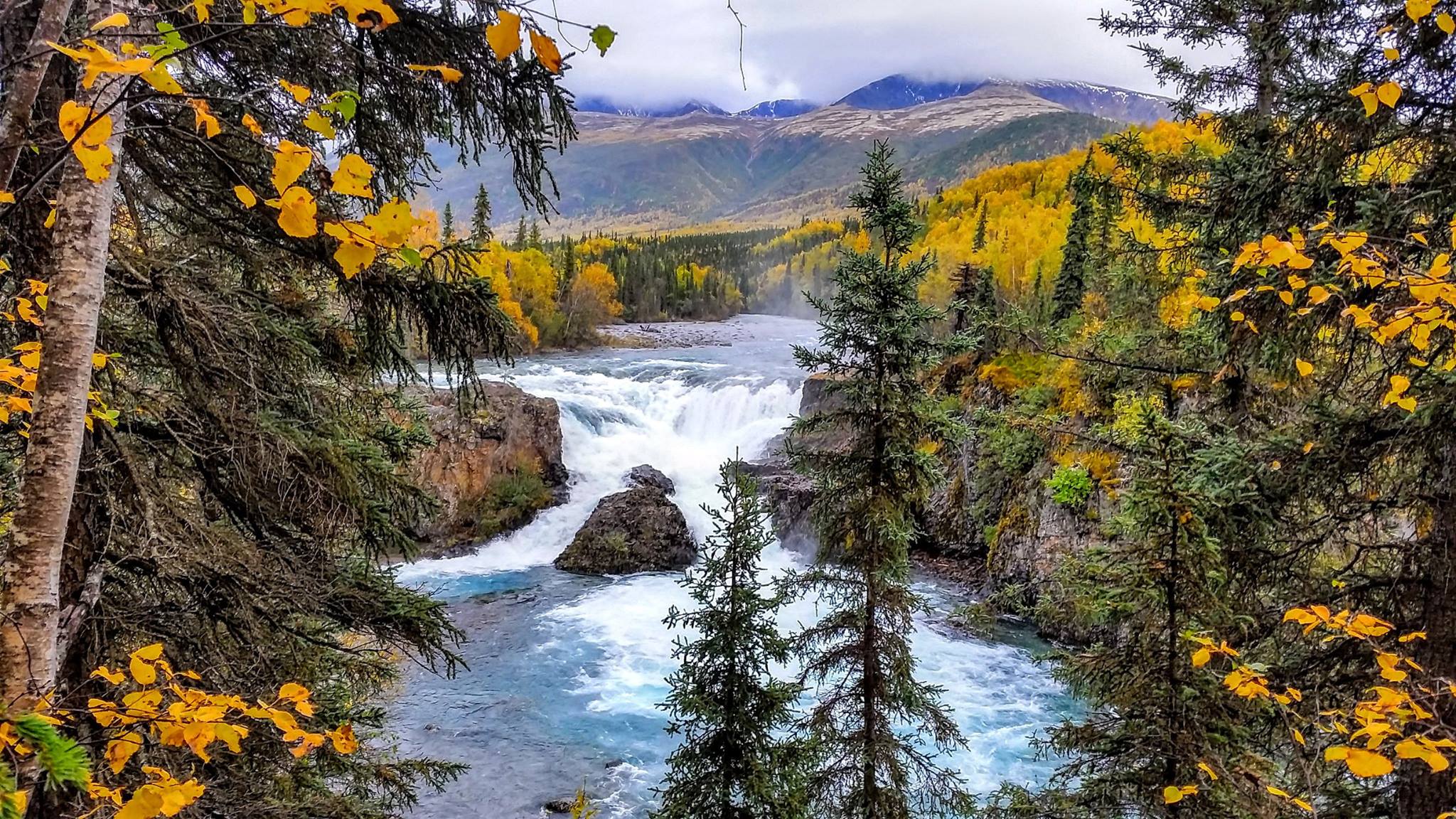
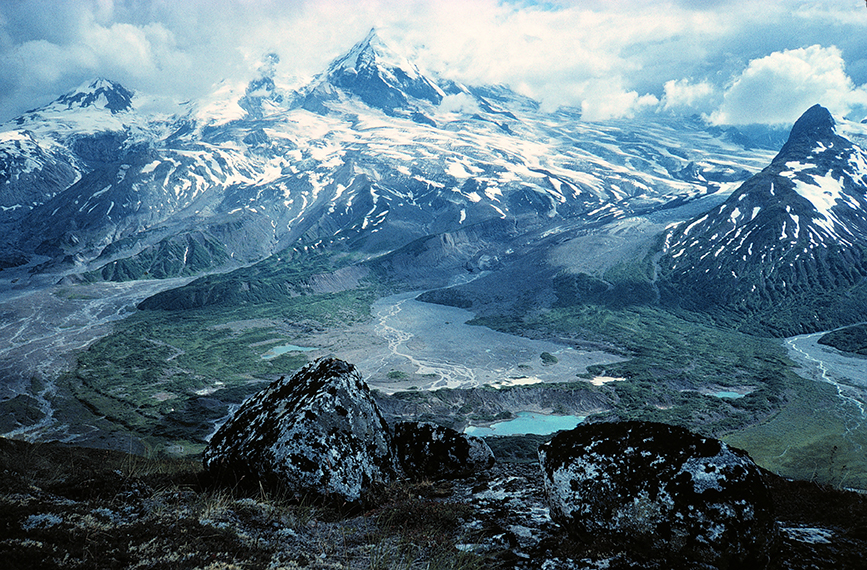
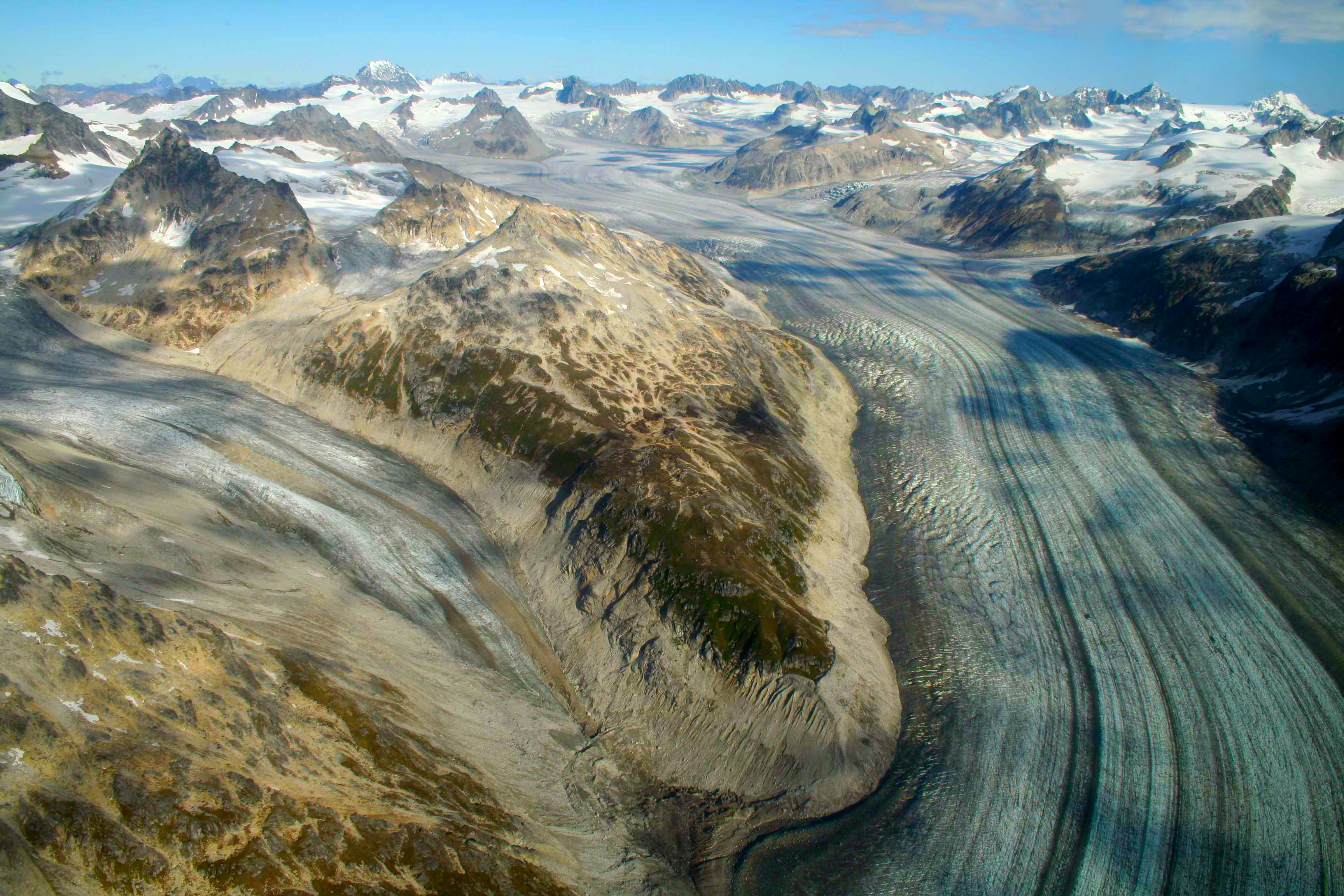
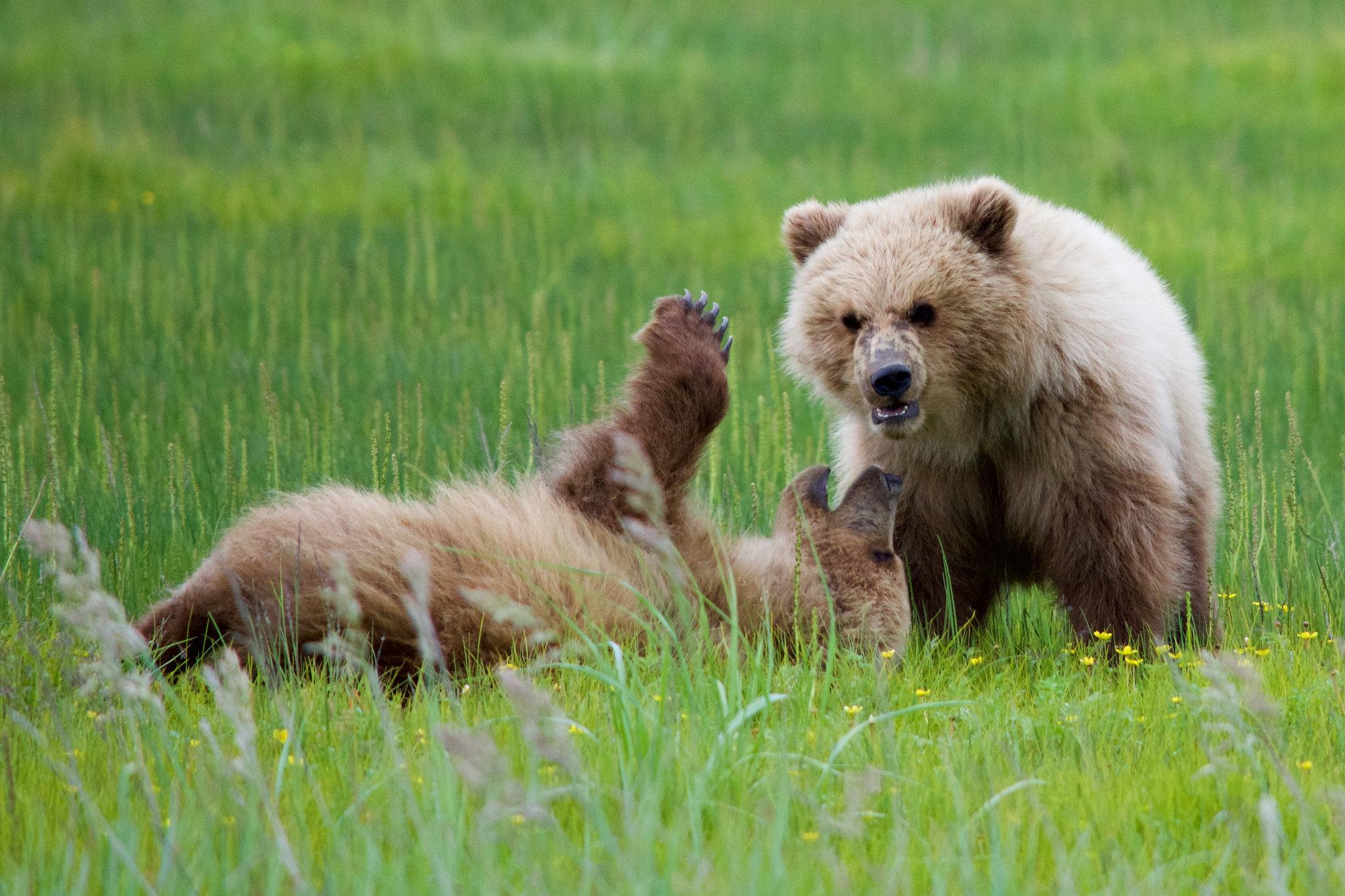
Lake Clark National Park and Preserve is a land of stunning beauty. Volcanoes steam, salmon run, bears forage, and craggy mountains reflect in shimmering turquoise lakes. Here, too, local people and culture still depend on the land and water. Venture into the park to become part of the wilderness.
From the National Park Service
History
The designation history for this site (every law, proclamation and order, and the administration behind each) is being researched and checked by the Library’s historians.
What to see and do
Activities
- Astronomy
- Stargazing
- Biking
- Boating
- Motorized Boating
- Camping
- Backcountry Camping
- Canoe or Kayak Camping
- Climbing
- Mountain Climbing
- Compass and GPS
- Orienteering
- Fishing
- Freshwater Fishing
- Fly Fishing
- Flying
- Fixed Wing Flying
- Guided Tours
- Self-Guided Tours - Walking
- Hiking
- Backcountry Hiking
- Front-Country Hiking
- Off-Trail Permitted Hiking
- Hunting and Gathering
- Hunting
- Paddling
- Canoeing
- Canoe or Kayak Camping
- Kayaking
- Stand Up Paddleboarding
- Junior Ranger Program
- Skiing
- Cross-Country Skiing
- Snow Play
- Snowshoeing
- Wildlife Watching
- Birdwatching
- Shopping
- Bookstore and Park Store
Plan your visit
Hours
Lake Clark National Park and Preserve: The park and preserve are open 24 hours per day, seven days per week year round. However, visitor services are limited Labor Day through Memorial Day. Seasonal and temporary closures are listed by location on the Operating Hours & Seasons page.
Getting there
Lake Clark is located on the Alaska Peninsula southwest of Anchorage and north of Katmai National Park. It is not on the road system; therefore, in order to get here you must travel either via plane or by boat. A one to two-hour flight from Anchorage, Kenai, or Homer will provide access to most points within Lake Clark. Fixed-wing aircraft are allowed to land on all suitable lakes, rivers, beaches, gravel bars, and open ground in both the park and preserve unless the area is closed or otherwise restricted.
Visitor centers
Campgrounds
- NPS Priest Rock Public Use Cabin
Weather
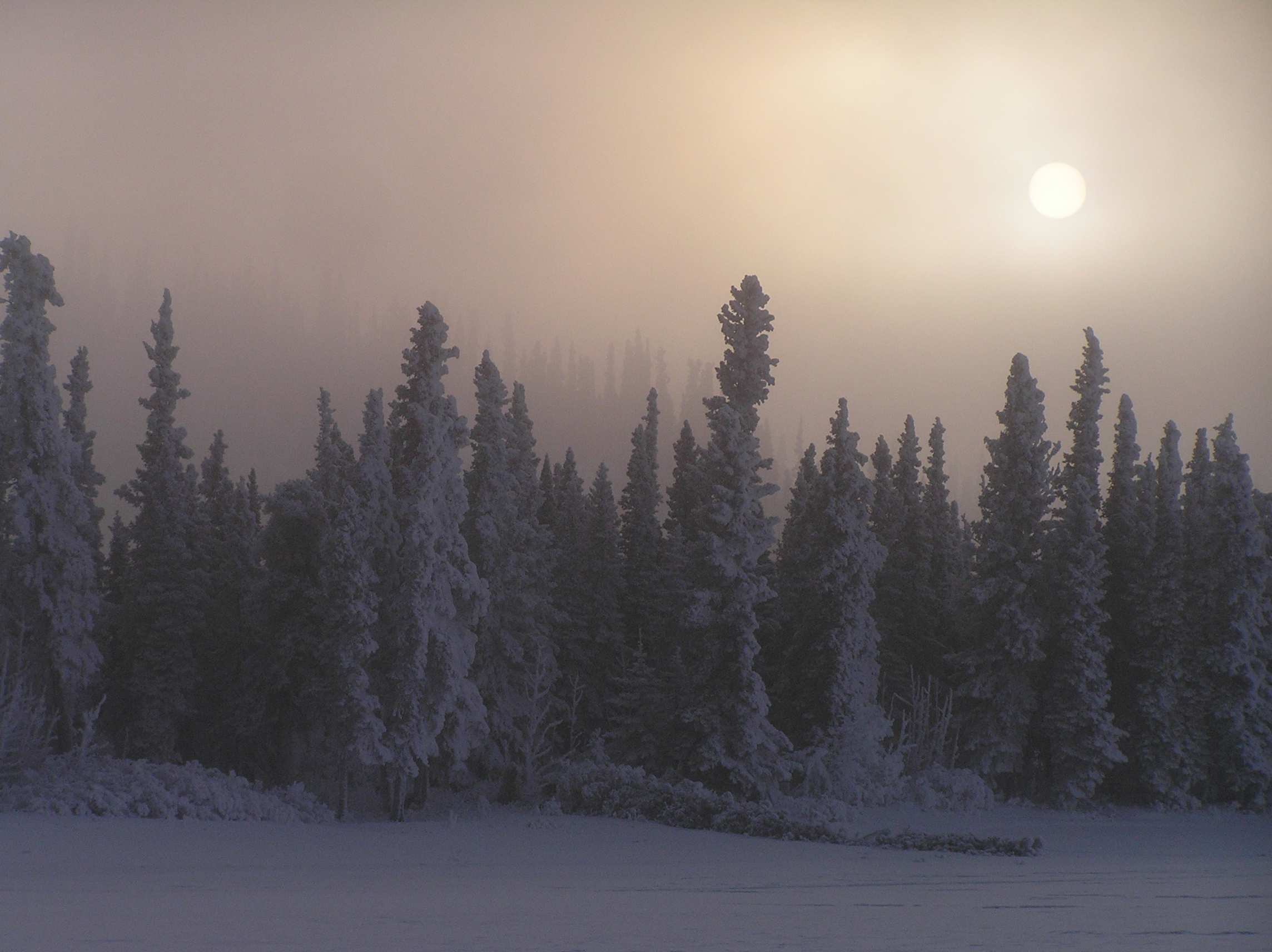
Lake Clark has two distinct climate areas: the coast and the interior. The coast is wetter and experiences milder temperatures. The interior gets half to one fourth as much precipitation, but temperatures are hotter in summer and colder in winter. Frost and snow can occur any time parkwide, but are most common from September to early June. Lakes here typically begins freezing in November and melting in April. Ice conditions dictate whether planes need floats or skis to land on lakes.
Phone: 9076443626
Whose lands these are
These lands are the ancestral and present-day homelands of Native nations. A section on whose lands these are is being prepared with tribal review. In the meantime, Native Land Digital offers a starting point.
Photos

Pair it with
- Kenai National Wildlife Refuge FWS · 105 miles
- Kenai Fjords National Park NPS · 129 miles
- Alaska Public Lands NPS · 131 miles
- Alagnak Wild River NPS · 138 miles
- Katmai National Park & Preserve NPS · 144 miles