National Park · NPS · AK
Katmai National Park & Preserve
Photo: NPS/David Jacob, Salmon jumping at Brooks Falls
Alerts and conditions
Overview
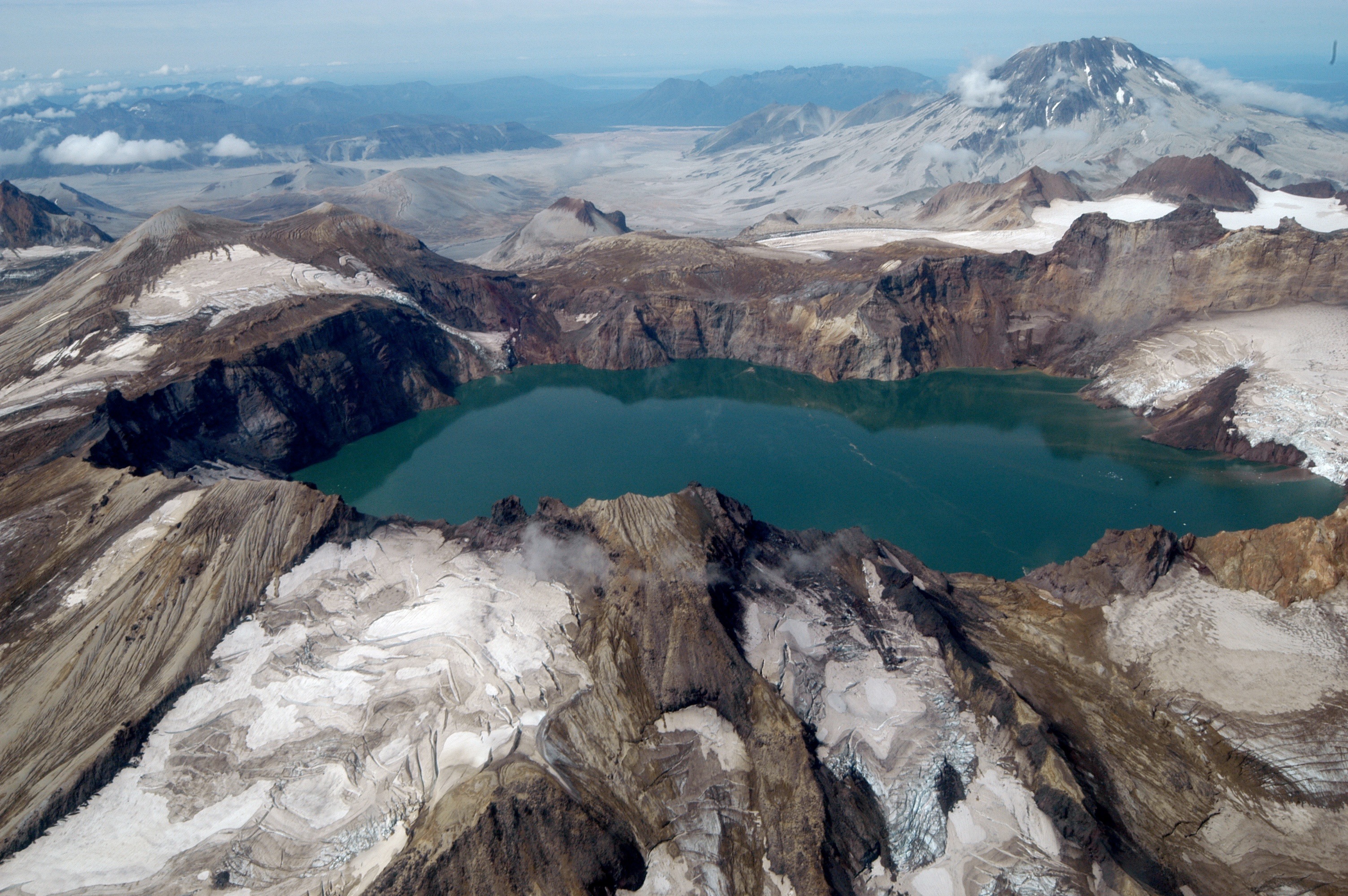
A landscape is alive underneath our feet, filled with creatures that remind us what it is to be wild. Katmai was established in 1918 to protect the volcanically devastated region surrounding Novarupta and the Valley of Ten Thousand Smokes. Today, Katmai National Park and Preserve also protects 9,000 years of human history and important habitat for salmon and thousands of brown bears.
From the National Park Service
History
The designation history for this site (every law, proclamation and order, and the administration behind each) is being researched and checked by the Library’s historians.
What to see and do
Activities
- Boating
- Camping
- Backcountry Camping
- Canoe or Kayak Camping
- Fishing
- Fly Fishing
- Food
- Dining
- Picnicking
- Flying
- Guided Tours
- Hiking
- Backcountry Hiking
- Hunting and Gathering
- Hunting
- Paddling
- Canoe or Kayak Camping
- Junior Ranger Program
- Wildlife Watching
- Park Film
- Shopping
- Bookstore and Park Store
- Gift Shop and Souvenirs
Plan your visit
Hours
Katmai National Park and Preserve: Katmai is open 24 hours per day, seven days per week.
Getting there
Katmai National Park & Preserve is located on the northern Alaska Peninsula, northwest of Kodiak Island and southwest of Homer, Alaska. The park’s headquarters is in King Salmon, about 290 air miles southwest of Anchorage. Unlike most national parks in the United States, Katmai is almost exclusively accessed by plane or boat.
Visitor centers
Campgrounds
- Brooks Camp Campground (32 sites) — reserve
Weather
Located between the stormy north Pacific Ocean and the even stormier Bering Sea, the Katmai region is often a battleground between weather systems. When you visit, be prepared to encounter all types of weather. On average, wet and cool conditions predominate in spring, summer, and fall. Winters are drier and colder.
Phone: 9072463305
Whose lands these are
These lands are the ancestral and present-day homelands of Native nations. A section on whose lands these are is being prepared with tribal review. In the meantime, Native Land Digital offers a starting point.
Photos



Pair it with
- Alagnak Wild River NPS · 49 miles
- Becharof National Wildlife Refuge FWS · 61 miles
- Kodiak National Wildlife Refuge FWS · 97 miles
- Lake Clark National Park & Preserve NPS · 144 miles
- Aniakchak National Monument & Preserve NPS · 154 miles