Historic Site and Historical Park · NPS · MO
Ste. Geneviève National Historical Park
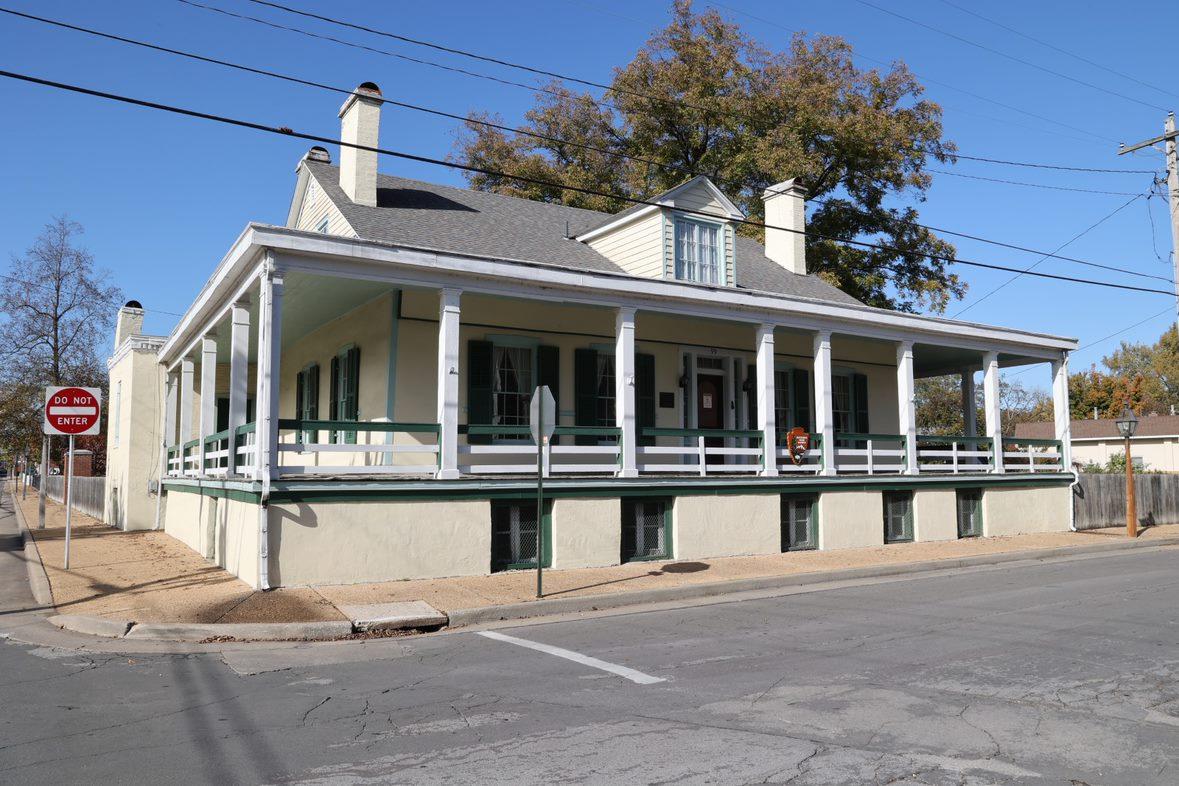
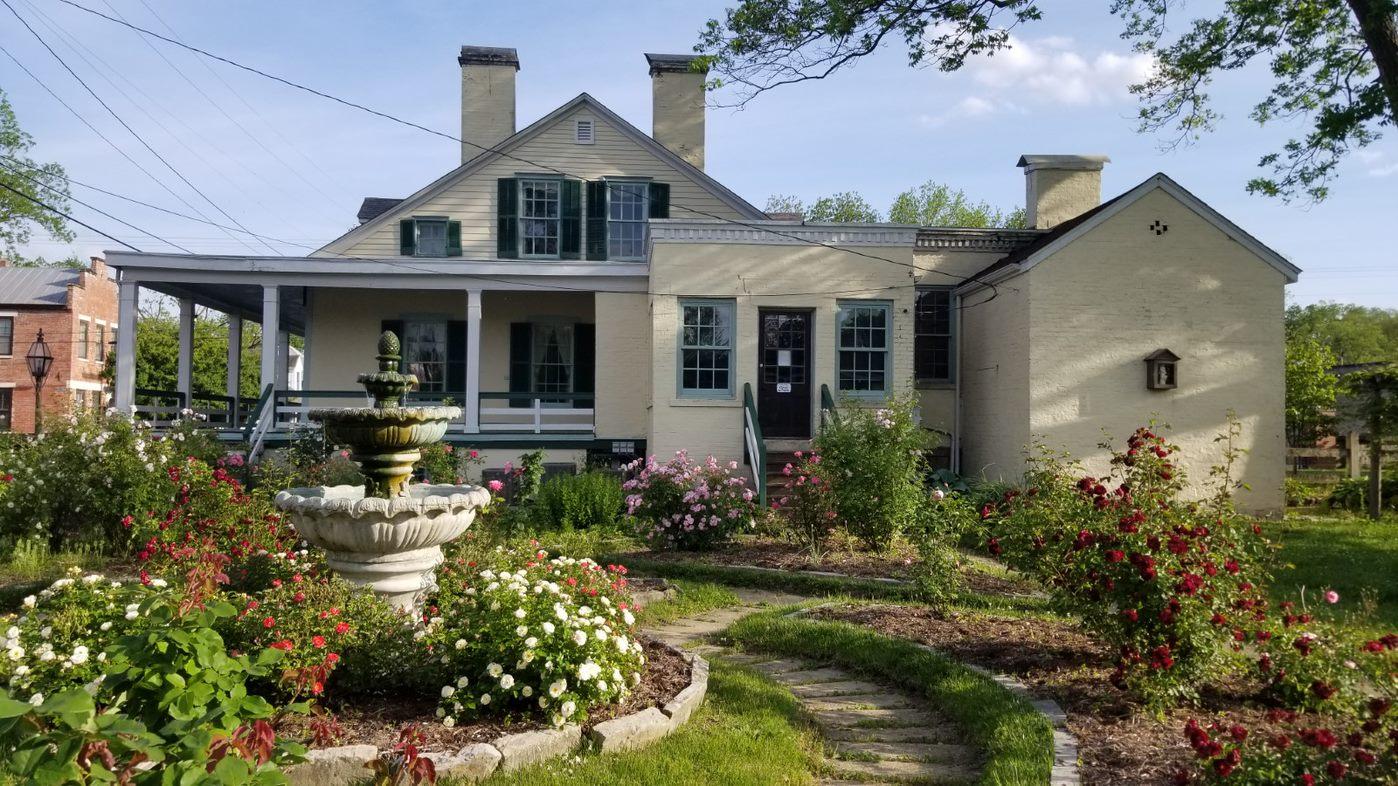
Photo: NPS/Nick Sacco, Beauvais-Amoureux House
Alerts and conditions
Overview
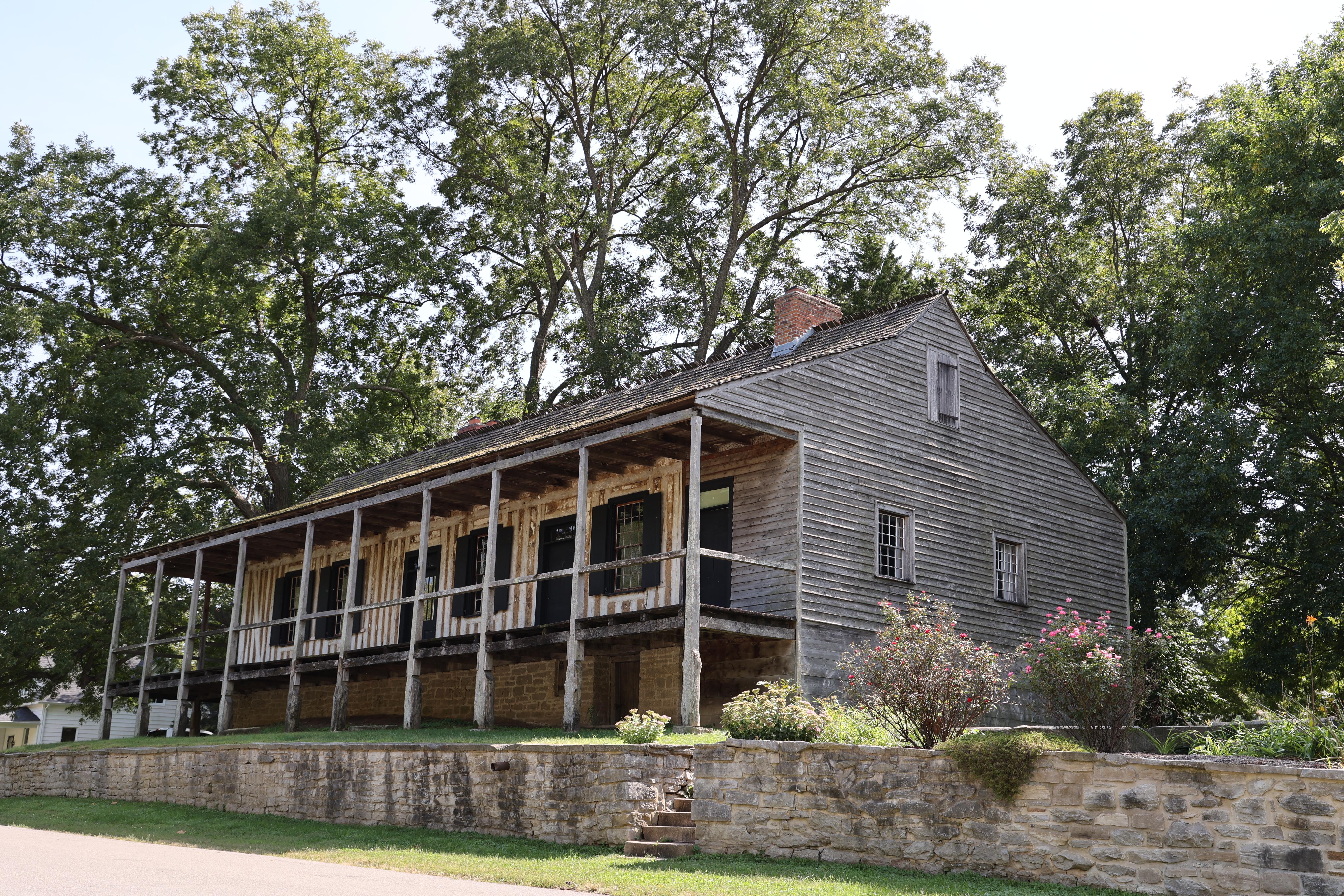
Established by 1750, Ste. Geneviève was the first permanent European settlement in Missouri. Early French Canadian settlers were drawn here by the rich agricultural land known as Le Grand Champ (the Big Field). After the flood of 1785, the town relocated to its present location on higher ground approximately three miles to the northwest of its original site.
From the National Park Service
History
The designation history for this site (every law, proclamation and order, and the administration behind each) is being researched and checked by the Library’s historians.
What to see and do
Activities
- Arts and Culture
- Guided Tours
- Self-Guided Tours - Walking
- Junior Ranger Program
- Museum Exhibits
- Shopping
- Bookstore and Park Store
Plan your visit
Hours
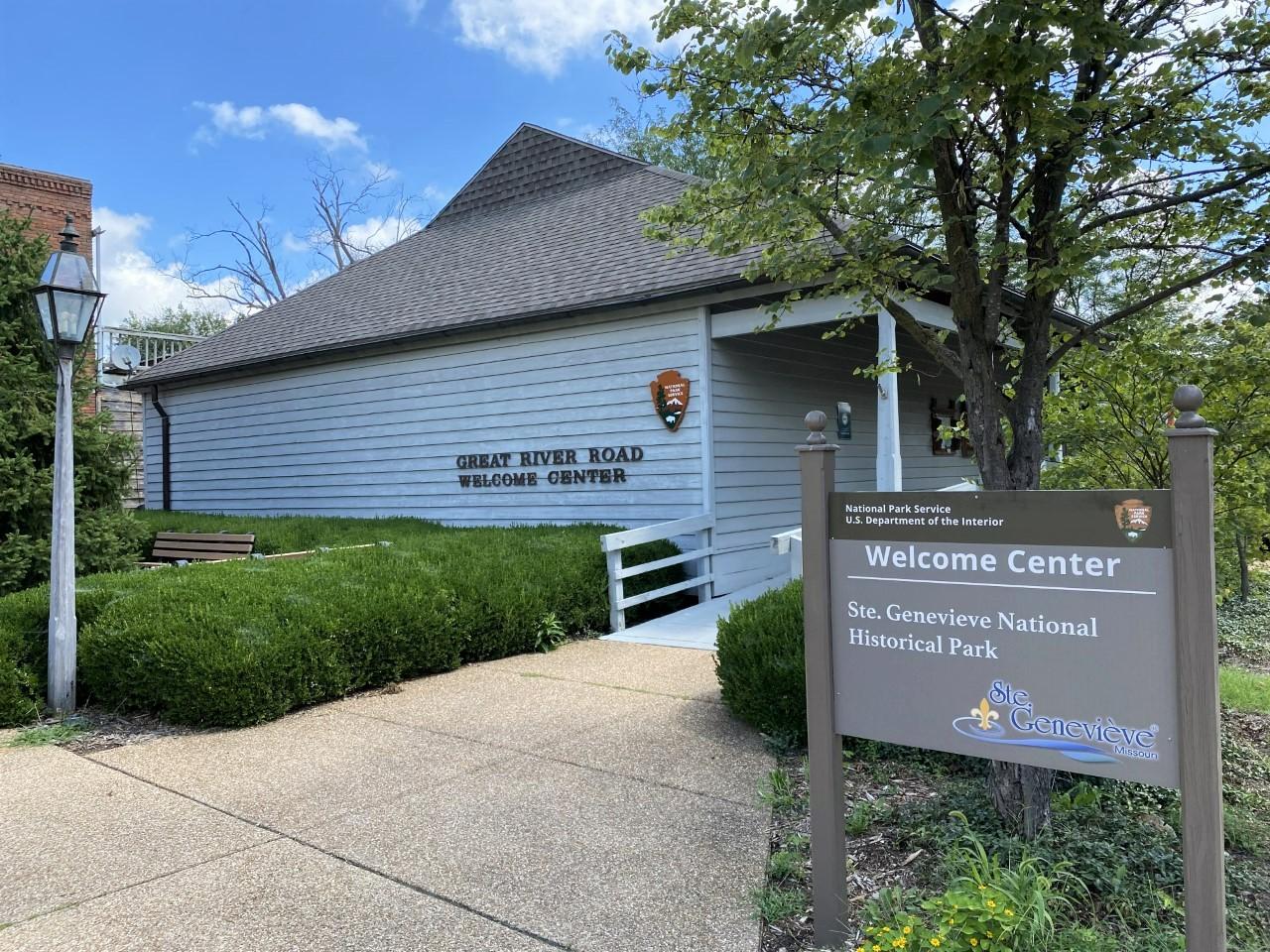
Ste. Genevieve National Historical Park: Ste. Genevieve National Historical Park and the Ste. Genevieve Welcome Center is open daily with the exception of Thanksgiving, Christmas, and New Year's Day. For program information and access to historic structures, please check with staff at the Ste. Genevieve Welcome Center, 573-880-7189.
Getting there
From north of Ste. Genevieve (e.g. St. Louis), take I-55 South to exit 150. Follow MO-32 East for about 4 miles. Turn right on Market Street. From south of Ste. Genevieve (e.g. Cape Girardeau), take I-55 North to exit 150. Follow MO-32 East for about 4 miles. Turn right on Market Street. From southern Illinois, you can also take the Ste. Genevieve - Modoc Ferry across the Mississippi. Please visit http://stegenmodocferry.com/ for hours and rates.
Visitor centers
Weather
The weather in Ste. Genevieve is typical of a midwestern climate. High heat and humidity, severe thunderstorms, snow and ice, and extreme cold are all possible depending upon the season. The average high in July is 88 degrees and the average low in January is 22 degrees. The area averages 41 inches of precipitation annually. Please plan your visit accordingly.
Phone: 573-880-7189
Whose lands these are
These lands are the ancestral and present-day homelands of Native nations. A section on whose lands these are is being prepared with tribal review. In the meantime, Native Land Digital offers a starting point.
Photos
Pair it with
- Middle Mississippi River National Wildlife Refuge FWS · 12 miles
- Pilot Knob National Wildlife Refuge FWS · 40 miles
- Ulysses S Grant National Historic Site NPS · 43 miles
- Gateway Arch National Park NPS · 45 miles
- Crab Orchard National Wildlife Refuge FWS · 57 miles
- Mark Twain National Forest USFS · 62 miles