Historic Site and Historical Park · NPS · CA
Manzanar National Historic Site
Photo: Dorothea Lange, Barracks in 1942, Manzanar
Alerts and conditions
Information Manzanar Remains Open During US 395 Pavement Project
CalTrans begins a monthslong pavement project on US 395 adjacent to Manzanar National Historic Site on Monday, May 11, 2026. Crews will be working to ensure access to Manzanar remains open, but it will be important to travel cautiously as typical access may involve detours and map apps may be inaccurate. Though work is scheduled only during weekdays, lane closures and detours will be in place throughout the week. Currently, the site may only be accessed via the south entrance.
Overview
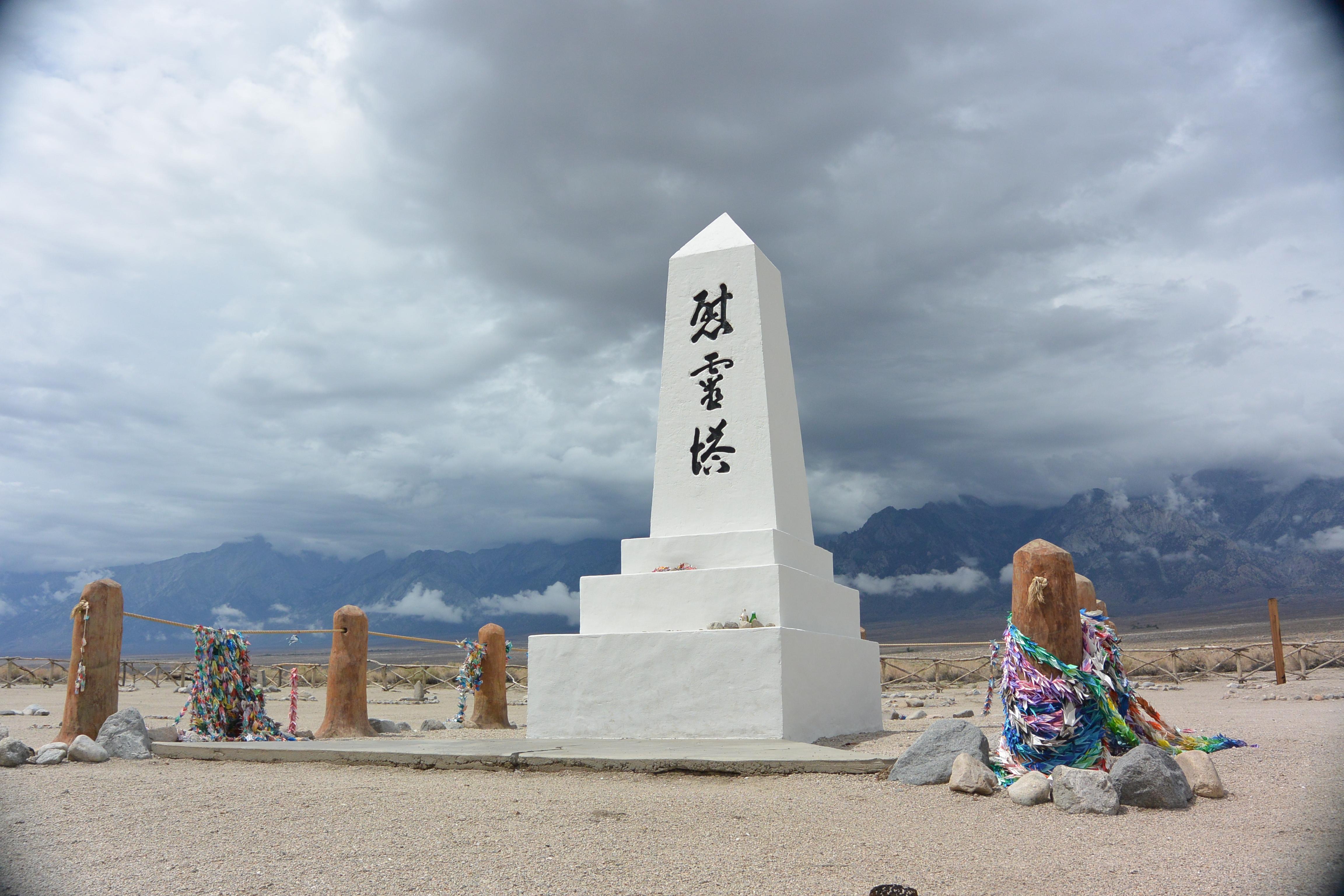
In 1942, the United States government ordered more than 110,000 men, women, and children to leave their homes and detained them in remote, military-style camps. Manzanar War Relocation Center was one of ten camps where the US government incarcerated Japanese immigrants ineligible for citizenship and Japanese American citizens during World War II.
From the National Park Service
History
The designation history for this site (every law, proclamation and order, and the administration behind each) is being researched and checked by the Library’s historians.
What to see and do
Activities
- Biking
- Road Biking
- Food
- Picnicking
- Guided Tours
- Self-Guided Tours - Walking
- Self-Guided Tours - Auto
- Bus/Shuttle Guided Tour
- Junior Ranger Program
- Wildlife Watching
- Birdwatching
- Park Film
- Museum Exhibits
- Shopping
- Bookstore and Park Store
Plan your visit
Hours
Site Grounds: The driving tour and grounds remain open daily from sunrise to sunset. Visitor center hours are more limited. See visitor center hours section for more information.
Getting there
Manzanar is located on the west side of U.S. Highway 395, 9 miles north of Lone Pine, California and 6 miles south of Independence, CA.
Visitor centers
Weather
Manzanar is located in the Owens Valley at 4,000' elevation, at the eastern base of the Sierra Nevada. We get little precipitation but we do have four distinct seasons. Summer temperatures can soar over 100 degrees. Winter highs are usually in the 40's. Nighttime temperatures year round are 30 to 40 degrees less than daytime highs. High winds are common in any season.
Phone: (760) 878-2194
Whose lands these are
These lands are the ancestral and present-day homelands of Native nations. A section on whose lands these are is being prepared with tribal review. In the meantime, Native Land Digital offers a starting point.
Photos

Pair it with
- Alabama Hills National Scenic Area BLM · 7 miles
- Sequoia & Kings Canyon National Parks NPS · 24 miles
- Inyo National Forest USFS · 47 miles
- Blue Ridge National Wildlife Refuge FWS · 50 miles
- Giant Sequoia National Monument USFS · 51 miles
- Sequoia National Forest USFS · 55 miles