National Park · NPS · SC
Congaree National Park
Photo: NPS Photo, Floodplain Forest
Alerts and conditions
Information Oversized Vehicle Parking Limited
The main parking area at the Harry Hampton Visitor Center has limited parking for larger vehicles. The lot can fill quickly, especially on weekends. If traveling in an RV or larger vehicle, we recommend arriving early in the day. Please be aware, turning around may be challenging when the oversized vehicle parking lot is full. We apologize for any inconvenience.
Caution Bridge K on Kingsnake Trail Out
Bridge K on Kingsnake Trail is currently out, awaiting replacement. Please use extreme caution if going around this bridge, as it crosses a slough. Water here may be 2-3 feet deep, or deeper.
Caution Paddling Conditions
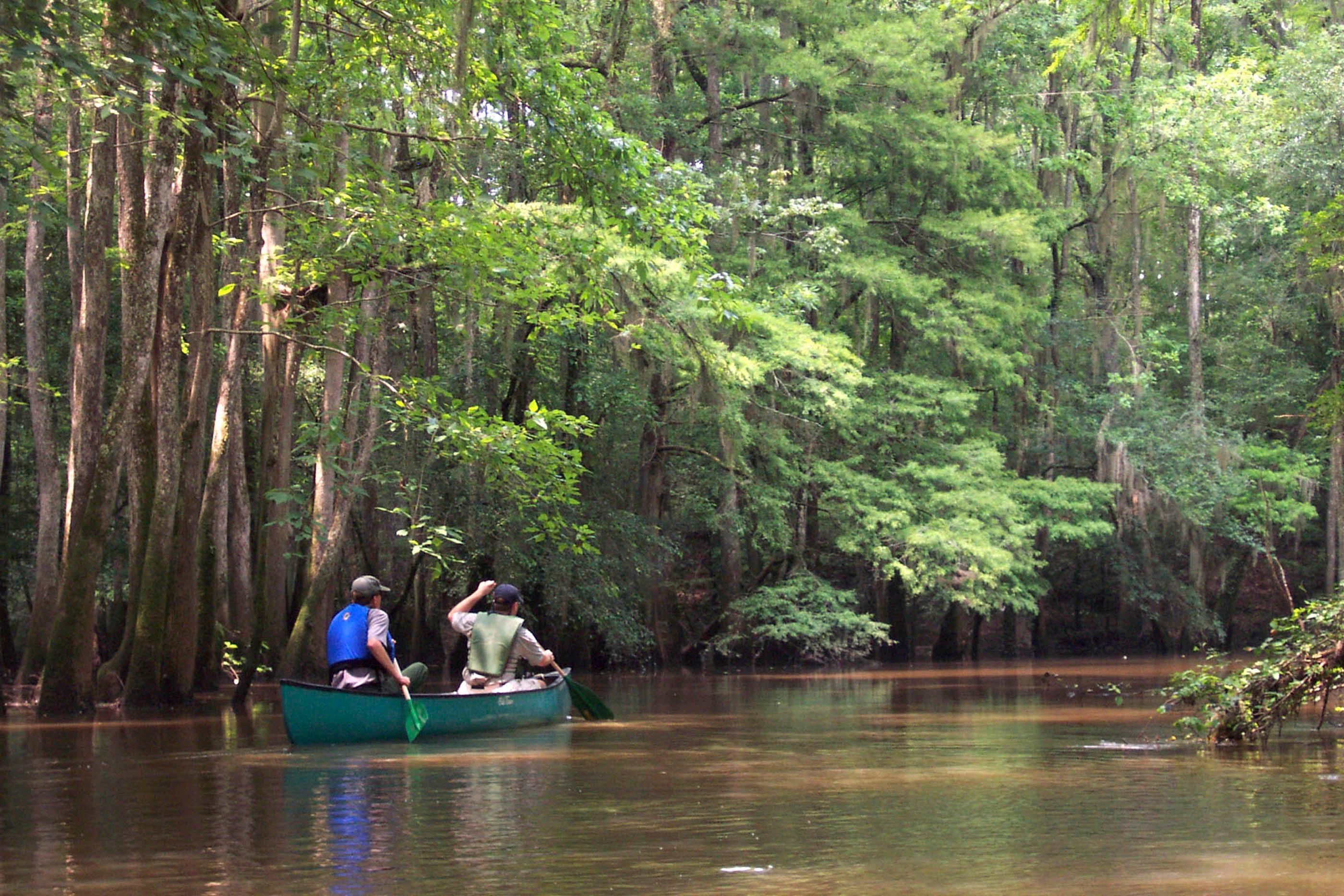
Trees down across Cedar Creek between Bannister's Bridge and South Cedar Creek may require significant portages depending on water levels & paddlers should plan accordingly. All paddlers should have necessary equipment, including the 10 Essentials.
Caution Backcountry Trail Conditions
GPS is necessary on backcountry trails: Oakridge, Boggy Gut (formerly River), and Kingsnake. These trails may be difficult to follow.
Information Planning Ahead for Transportation
If being dropped off at the park, please ensure you will have a return ride. Taxis and rideshares do not often come out to Congaree, and the bus may be unavailable. Please plan ahead.
Overview
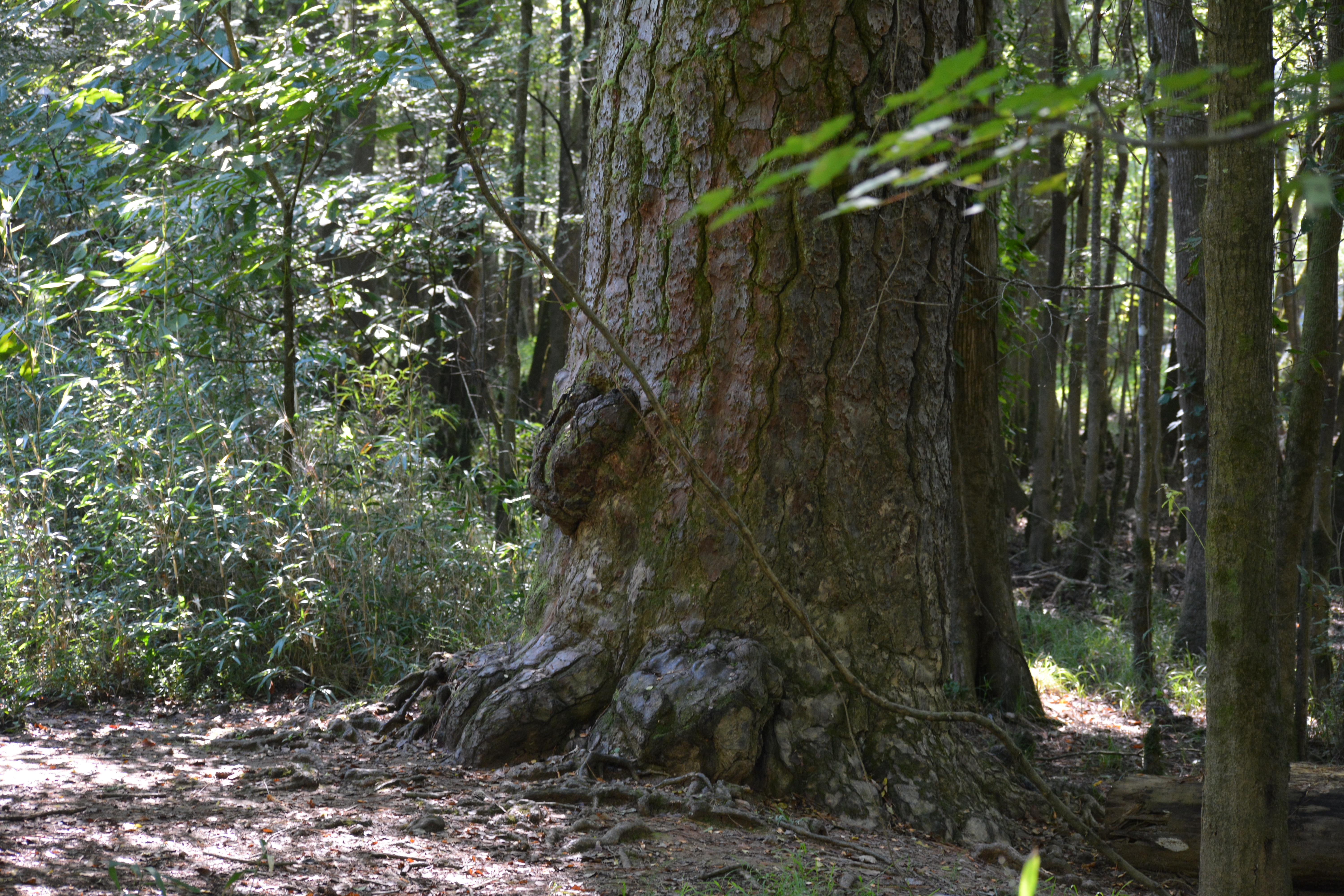
Astonishing biodiversity exists in Congaree National Park, the largest intact expanse of old growth bottomland hardwood forest remaining in the southeastern United States. Waters from the Congaree and Wateree Rivers sweep through the floodplain, carrying nutrients and sediments that nourish and rejuvenate this ecosystem and support the growth of national and state champion trees.
From the National Park Service
History
The designation history for this site (every law, proclamation and order, and the administration behind each) is being researched and checked by the Library’s historians.
What to see and do
Activities
- Camping
- Backcountry Camping
- Canoe or Kayak Camping
- Car or Front Country Camping
- Group Camping
- Fishing
- Freshwater Fishing
- Food
- Picnicking
- Guided Tours
- Self-Guided Tours - Walking
- Hands-On
- Citizen Science
- Volunteer Vacation
- Hiking
- Backcountry Hiking
- Front-Country Hiking
- Off-Trail Permitted Hiking
- Paddling
- Canoeing
- Canoe or Kayak Camping
- Kayaking
- Junior Ranger Program
- Museum Exhibits
- Shopping
- Bookstore and Park Store
Plan your visit
Hours
Congaree Operating Hours (Not Visitor Center Hours): Congaree National Park is generally open 24 hours a day year-round. For visitor and staff safety, park operations and/or weather conditions may occasionally result in short term, temporary closures. Please review the park webpage and social media platforms for more information. The Harry Hampton Visitor Center is open 9-5, daily. It is closed New Year's Day, President's Day, Columbus Day, Thanksgiving, and Christmas Day. Please check alerts prior to your visit.
Getting there
From Interstate 77, Exit 5 At Exit 5 turn onto SC Hwy 48 East/Bluff Road. Following the brown and white "Congaree National Park" directional signs, travel approximately 8 miles on and then take a slight right onto Old Bluff Road. Follow Old Bluff Road for 4.5 miles to the park entrance sign, which will be on the right. Proceed one mile to the Harry Hampton Visitor Center. Parking lots will be on the right.
Visitor centers
Campgrounds
Weather
Check the forecast before getting on the road. Conditions can change rapidly within the park. Flooding can happen with little or no warning, so make sure to check water levels for Cedar Creek and the Congaree River.
Phone: 8037764396
Whose lands these are
These lands are the ancestral and present-day homelands of Native nations. A section on whose lands these are is being prepared with tribal review. In the meantime, Native Land Digital offers a starting point.
Photos
Pair it with
- Santee National Wildlife Refuge FWS · 32 miles
- Carolina Sandhills National Wildlife Refuge FWS · 62 miles
- Francis Marion National Forest USFS · 74 miles
- Ninety Six National Historic Site NPS · 76 miles
- Ernest F. Hollings Ace Basin National Wildlife Refuge FWS · 77 miles
- Francis Marion National Wildlife Refuge USFS · 82 miles