National Monument · NPS · CA
Castle Mountains National Monument
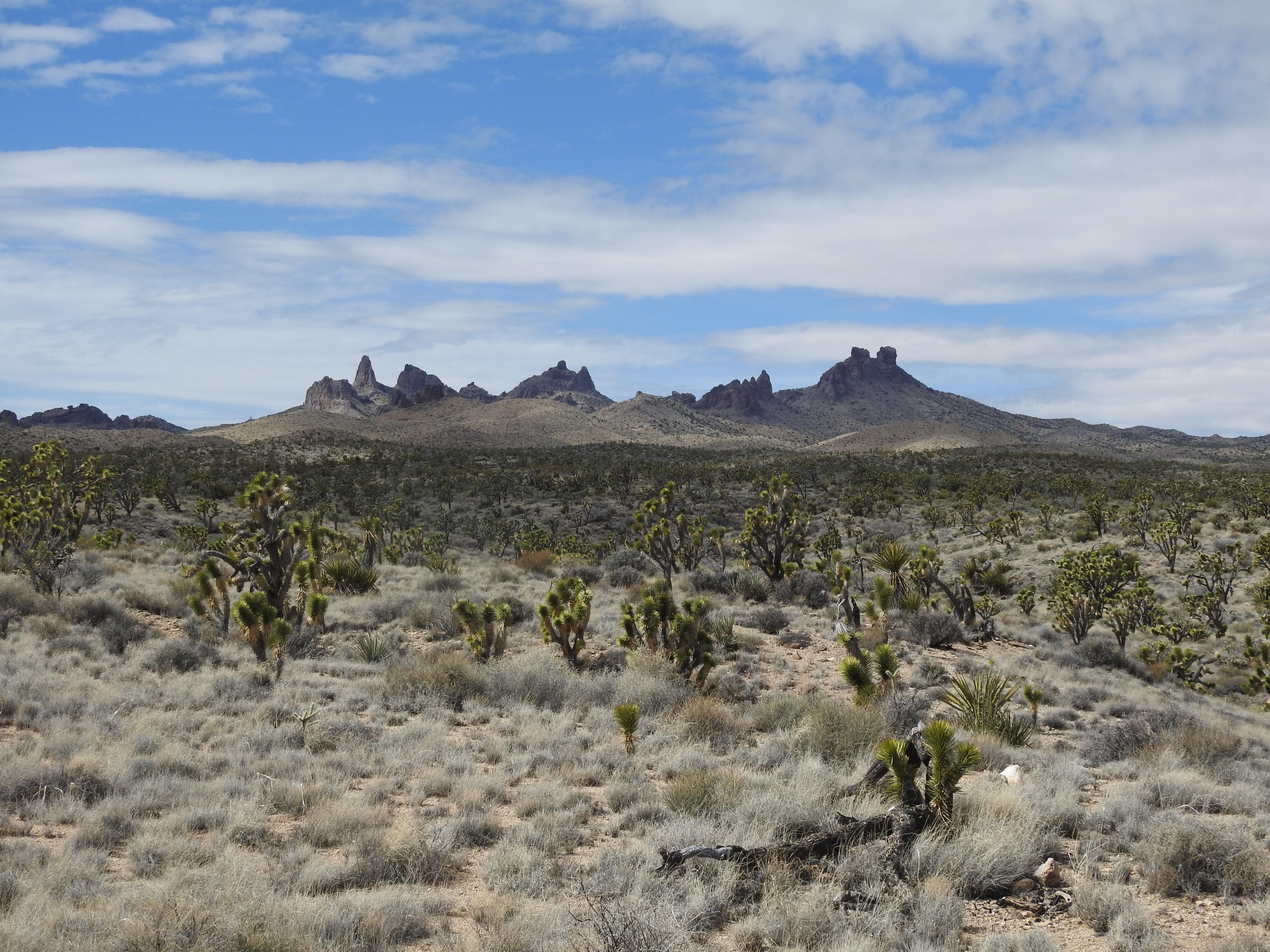
Photo: NPS Photo, Red Rocks Outcropping
Alerts and conditions
Information No Hunting Allowed in Castle Mountains National Monument
Hunting is illegal in Castle Mountains National Monument
Caution Most Monument Roads Require Heavy Duty 4WD Vehicle to Travel Safely
Breaking down in the remote monument can be a life-threatening emergency. Most roads require a well-equipped, heavy-duty 4WD vehicle to travel. 2WD high clearance vehicles must use Walking Box Ranch Rd for entry and exit. No Visitor Facilities Available.
Overview
Castle Mountains represents some of the most unique elements of the Mojave Desert. Nestled between the Nevada state line and Mojave National Preserve, the nearly 21,000 acres of Castle Mountains boasts Joshua tree forests, unbroken natural landscapes, rare desert grasslands, and rich human history. This intriguing area provides serenity and solitude from nearby metropolitan areas.
From the National Park Service
History
The designation history for this site (every law, proclamation and order, and the administration behind each) is being researched and checked by the Library’s historians.
What to see and do
Activities
- Camping
- Car or Front Country Camping
- Group Camping
- RV Camping
Plan your visit
Hours
Castle Mountains: Castle Mountains National Monument is open year-round. There are no facilities in the Monument. Visitor Centers in neighboring Mojave National Preserve provide information and orientation.
Getting there
You can approach Castle Mountains from Walking Box Ranch Road off of Nevada State Rd 164 (Nipton Road) or from several unnamed dirt roads off of Lanfair Road in Mojave National Preserve.
Weather
Weather at Castle Mountains changes with the seasons. Freezing temperatures are expected in winter, with occasional snow. Spring brings mild warm days and cooler nights. With enough rain, wildflowers can carpet the area, making for spectacular displays. Summer months are much hotter, with temperatures nearing 100 degrees Fahrenheit. Strong monsoonal storms in late summer may cause flash-flooding in low-lying areas and can create hazardous road conditions. Fall is a cooler respite after the heat of summer.
Phone: (760) 252-6100
Whose lands these are
These lands are the ancestral and present-day homelands of Native nations. A section on whose lands these are is being prepared with tribal review. In the meantime, Native Land Digital offers a starting point.
Photos
Pair it with
- Avi Kwa Ame National Monument BLM · 14 miles
- Mojave National Preserve NPS · 27 miles
- Sloan Canyon National Conservation Area BLM · 42 miles
- Mojave Trails National Monument BLM · 50 miles
- Havasu National Wildlife Refuge FWS · 55 miles
- Lake Mead National Recreation Area NPS · 63 miles