National Monument · NPS · AK
Cape Krusenstern National Monument
Photo: NPS Photo, Muskox and Geese
Alerts and conditions
Overview
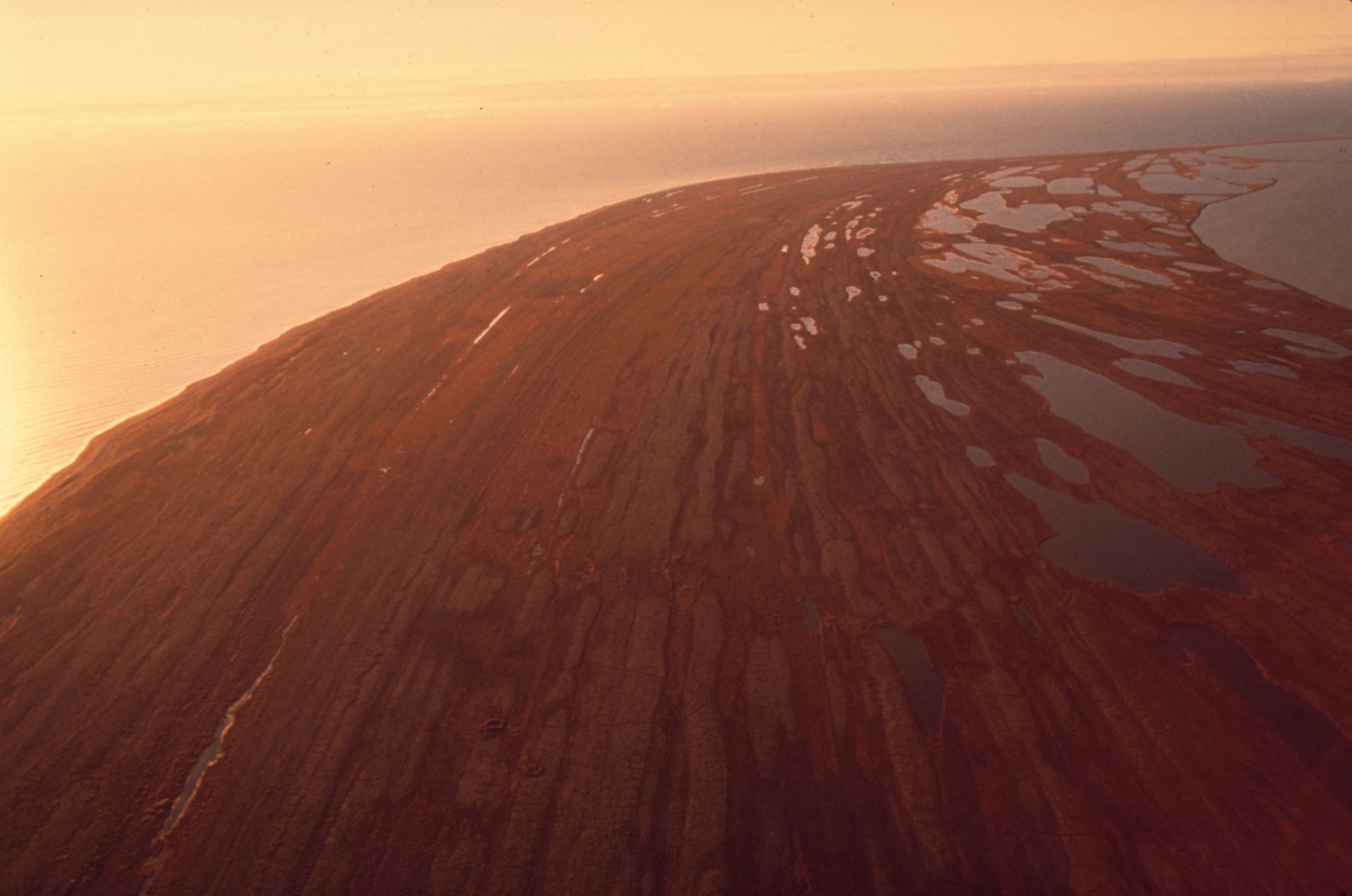
A bridge to the past and a land for the future, Cape Krusenstern National Monument protects approximately 560,000 acres of diverse Arctic coastal, and upland ecosystems. Inhabited by the Iñupiaq people since time-immemorial, over 5,000 years of sequential human use is documented in the 114 successive beach ridges. Rich connections to the land and waters are preserved through subsistence practices.
From the National Park Service
History
The designation history for this site (every law, proclamation and order, and the administration behind each) is being researched and checked by the Library’s historians.
What to see and do
Activities
- Camping
- Backcountry Camping
- Flying
- Fixed Wing Flying
- Hands-On
- Arts and Crafts
- Hiking
- Backcountry Hiking
- Junior Ranger Program
- Wildlife Watching
- Birdwatching
- Museum Exhibits
- Shopping
- Bookstore and Park Store
Plan your visit
Hours
Cape Krusenstern National Monument: Since there are no roads into Cape Krusenstern National Monument, the visitor center is located at the Northwest Arctic Heritage Center in Kotzebue, AK. From Kotzebue, visitors will charter an air taxi to transport them into the actual national monument which is open 24/7 every day of the year.
Getting there
Cape Krusenstern National Monument lies within a remote area of northwest Alaska and is bordered by the Arctic Ocean and Chukchi Sea. Visitors generally access the monument via the regional hub in Kotzebue. Commercial airlines provide daily service from Anchorage to Kotzebue. Chartered flights with licensed air taxi services, booked in advance, can take backcountry travelers to remote destinations within the monument.
Visitor centers
Weather
Snow, rain, and freezing temperatures can occur any time of the year. Always travel with good quality rain gear and warm layers. Be especially careful to stay dry. Hypothermia can set in on a windy, wet day, even when it doesn't feel that cold.
Phone: 9073182230
Whose lands these are
These lands are the ancestral and present-day homelands of Native nations. A section on whose lands these are is being prepared with tribal review. In the meantime, Native Land Digital offers a starting point.
Photos


Pair it with
- Bering Land Bridge National Preserve NPS · 104 miles
- Noatak National Preserve NPS · 104 miles
- Kobuk Valley National Park NPS · 114 miles
- Selawik National Wildlife Refuge FWS · 127 miles